
Over the past two years, Dumfries and Galloway’s Roads Service has continued to make significant progress and improvements in strengthening the region’s road network. With increased investment, growing its workforce, and the introduction of digitalised systems, the service is now operating with improved stability, better data and more efficient repair methods.
This update summarises the key developments and the positive impact they are already having.
A Strengthened Workforce and Defined Structure
The service’s revised management structure is now in place and is providing much‑needed stability and clearer lines of accountability. Recruitment has continued to progress positively, with eight new road inspectors due to start by mid‑April 2026. Work continues to fill remaining vacancies, including an operations officer post with plans in place to recruit a number of graduate/modern apprentices to the team this summer.
Workforce capacity has increased due to elected members investment in the service, with 49 road operatives and 19 senior road operatives now in post. Over the last year, extensive upskilling has taken place to ensure staff are fully competent for these more senior roles, including achieving mandatory NRSWA and HGV qualifications. Several roads service team members have progressed into technical roles, demonstrating skills development and succession planning. Recruitment is now underway to backfill their former positions.
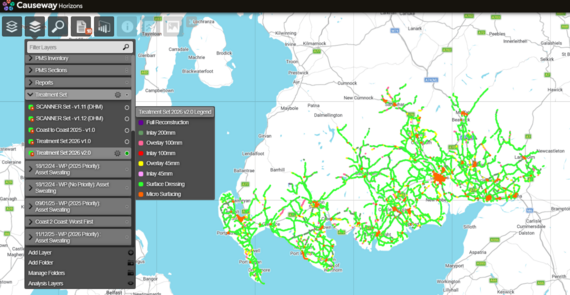
Improving Road Condition Through Investment and Data‑Led Planning
Major financial commitments have enabled a considerable expansion of road treatment activity. The introduction of recurring capital and revenue uplifts, alongside the four‑year Road Improvement Fund, has allowed the Service to deliver more than 180 km of carriageway treatments in 2024/25 – an increase of almost 40% from the previous year.
The Road Condition Index, which measures the overall state of the network, improved by approximately three percentage points in 2024/25. This reflects not only the increased level of capital works but also the move towards more permanent, first‑time repair methods and the use of enhanced data to plan the right treatment at the right location.
Digital tools such as Causeway Alloy and Horizon are now embedded in operations. These systems provide real‑time visibility of works, track condition data, and help target investment where it will deliver the greatest long‑term benefit.
Modernising Our Approach to Repairs
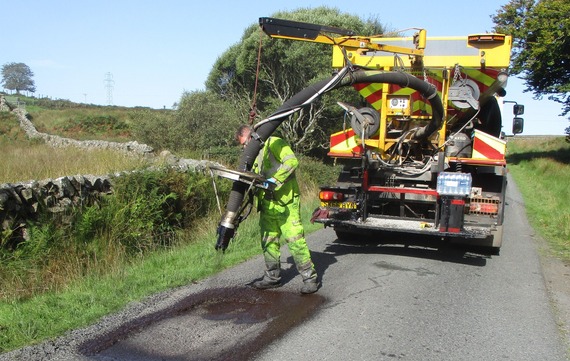
The Roads Service is now using a broader range of permanent repair techniques, enabling year‑round improvements, and reducing the reliance on temporary fixes. Permanent cold‑lay material such as Viafix is being used extensively, offering flexibility in challenging weather conditions and providing a two‑year product guarantee. Monitoring of these types of repairs began in late 2025 so the Service can track its performance and durability.
Spray injection patching was also used significantly during the 2025/26 season, with more than 31,000 defects repaired through this method alone. Lessons learned around recording practices, driver hours and equipment loading have been incorporated into planning for the 2026 season to maximise productivity
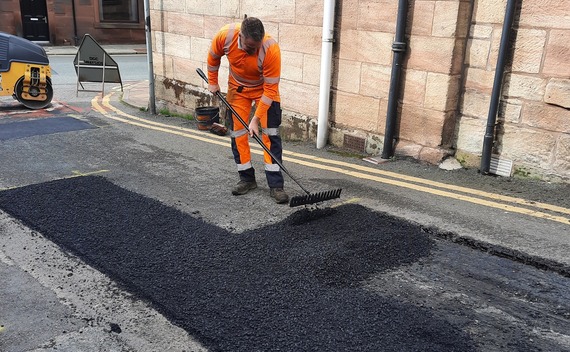
Traditional hot‑lay repairs remain an important part of the programme, though the service is reviewing its operational model to identify opportunities for greater efficiency.
In parallel, several trials of the JCB Pothole Pro have taken place. These have highlighted the machine’s potential benefits such as consistent cutting depth, reduced manual handling and faster preparation, while also identifying constraints in narrow rural locations. A longer‑term hire trial will take place during 2026 to enable a full evaluation to be carried out.
Refreshing our Cyclical Maintenance Programme
A more proactive cyclical maintenance programme is being developed to move the service further towards planned, preventative maintenance. This approach reduces long‑term deterioration, lowers the reactive burden, and provides a more predictable workstream for teams. In support of this, the service intends to introduce fixed teams for certain recurring activities, helping to improve consistency, quality and training focus.
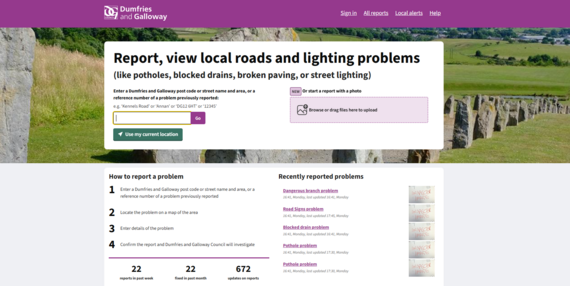
Fix My Street – Improving the Customer Defect Reporting Experience
The introduction of Fix My Street will transform how residents report issues on the network. A soft launch is planned for 18 March 2026, followed by a fully promoted launch on 1 April 2026. Ahead of go‑live, a significant amount of system housekeeping is underway to ensure that all inspection and defect data presented to the public is accurate, up to date and meaningful from day one.
This includes clearing outdated jobs from devices, ensuring completed works are properly recorded, reviewing open defects, especially high‑priority ones and resolving cases marked for further investigation. These actions are essential to maintaining public confidence and ensuring the platform functions effectively from launch.
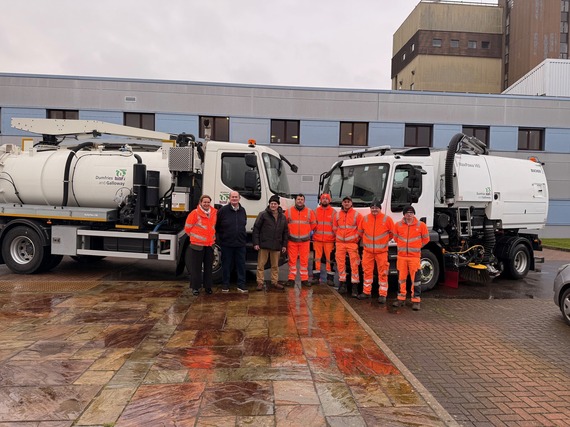
Investment in Plant and Equipment
Recent investment in new plant – particularly sweepers and gully cleaners – has strengthened the service’s ability to deliver essential maintenance. The gully cleaners, in particular, will play a crucial role in improving drainage resilience and reducing water‑related carriageway failures. Combined, these machines are capable of cleansing between 25,200 and 45,000 gullies each year. This will support the service’s goal of returning to a three‑year gully cleansing cycle once fully embedded.
Looking Ahead
The decade ahead will bring increasing pressures on the region’s public realm and highway assets, including climate‑related impacts, inflation, and ageing infrastructure. The service is therefore continuing to embed a risk‑based, asset‑led approach that prioritises safety, long‑term value, and preventative interventions.
A clear programme of next steps will guide this work, from defining service levels and consolidating asset data over the next six months, to scaling preventative treatments, improving drainage resilience, and enhancing Winter Service operations over the next year and a half. Over a longer period, the service aims to shift decisively towards planned maintenance, reduce reactive defects, improve public realm accessibility and align programmes with external funding opportunities.
Our Roads Service remains committed to maintaining a safe and resilient roads network for local communities, focusing on delivering the greatest benefit through well‑planned, evidence‑based decision‑making. By continuing to prioritise safety and effective use of available resources, the service will work to ensure the network supports communities now and into the future.
Kind regards,
Stuart Caven
Road Maintenance Manager